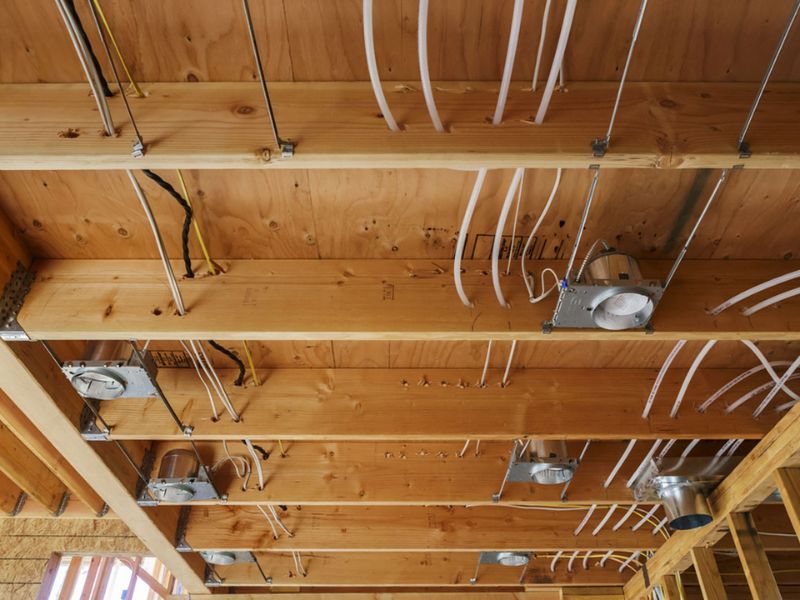
Electrical malfunctions cause more than 50,000 house fires every year in the United States, according to the Electrical Safety Foundation International, and most of them are preventable (UL Solutions, “8 Signs You May Have a Problem With Your Electrical Wiring,” retrieved September 2026). In Coral Gables and across Miami-Dade County, the risk runs a step higher than the national picture, because a large share of the area’s housing stock was built during the era when aluminum wiring and now-discontinued electrical panels were standard practice, and Florida’s heat and humidity accelerate wear on both.
This guide covers the warning signs of faulty wiring, why older Miami-Dade homes carry extra risk, and what it means for your homeowners insurance if you’re coming up on a renewal or a sale.
Key Takeaways
- Flickering lights, warm outlets, frequent breaker trips, and burning smells are the clearest signs of a wiring problem.
- Homes built in Florida in the late 1960s and early 1970s commonly used aluminum wiring, which loosens at connections over time and is a recognized fire risk.
- Florida insurers require a 4-point inspection on homes roughly 20 to 30 years and older, and outdated wiring or panels are a leading cause of failed inspections.
- Never attempt to repair wiring yourself. Shut off the breaker and call a licensed electrician.
What Are the Warning Signs of Faulty Electrical Wiring?
The most reliable warning signs of faulty wiring are ones you can notice without opening a single outlet: flickering or dimming lights, outlets or switch plates that feel warm, a burning smell with no obvious source, and circuit breakers that trip repeatedly. Any one of these on its own may have a simple explanation, but two or more together usually point to a wiring issue that needs a licensed electrician.
- Flickering or dimming lights, especially when a major appliance turns on, often means a circuit is overloaded or sharing a line it shouldn’t be.
- Warm or discolored outlets and switch plates indicate heat building up at a connection, a sign that shouldn’t be ignored.
- A burning or odd plastic smell, particularly near an outlet or your breaker panel, can mean insulation is overheating and calls for shutting off power immediately.
- Buzzing sounds from an outlet or panel usually mean a loose connection is arcing.
- Frequent breaker trips on a specific circuit, not tied to one appliance, often point to an overloaded or deteriorating circuit.
- Relying on extension cords for permanent power needs is itself a sign your home needs additional circuits, not just a workaround.
If you notice sparking, a persistent burning smell, or a hot breaker panel, turn off power at the breaker and call a licensed electrician the same day. These aren’t signs to monitor and wait on.
Why Are Older Coral Gables and Miami-Dade Homes at Higher Risk?
Homes built in Florida during the late 1960s and early 1970s commonly used aluminum branch circuit wiring instead of copper, and aluminum expands and contracts more than copper at electrical connections, which gradually loosens the connection and increases resistance and heat over time. Coral Gables’ older housing stock, much of it built before modern code updates, is a common place to still find this wiring in service.
Many homes from the same era were also built with Federal Pacific Stab-Lok or Zinsco electrical panels, both widely recognized by electricians and inspectors for failing to trip reliably under overload conditions, a defect that increases fire risk rather than preventing it. Neither is manufactured today, and replacement is the standard recommendation whenever one turns up during an inspection.
Florida’s climate adds a second factor on top of the wiring’s age. Heat and humidity accelerate oxidation at aluminum connections and corrode the terminals inside older panels faster than in drier climates, which is part of why local electricians see wiring failures in homes that would still be considered mid-life elsewhere in the country.
How Does Faulty Wiring Affect Your Florida Homeowners Insurance?
Most Florida insurers require a 4-point inspection, covering the roof, electrical, plumbing, and HVAC systems, before writing or renewing a policy on a home roughly 20 to 30 years or older, and outdated wiring is one of the most common reasons a home fails it. Inspectors specifically flag aluminum branch wiring, Federal Pacific or Zinsco panels, missing GFCI protection in kitchens and bathrooms, and any exposed or improperly spliced wiring.
| 4-Point Red Flag | Why It Matters | Typical Fix |
|---|---|---|
| Aluminum branch wiring | Loosens at connections, raising fire risk | Copper pigtailing or full rewire |
| Federal Pacific / Zinsco panel | Breakers may not trip under overload | Full panel replacement |
| Missing GFCI (kitchen/bath) | No shock protection near water | GFCI outlet installation |
| Exposed or spliced wiring | Code violation, fire and shock risk | Electrician correction and re-inspection |
A failed 4-point inspection can mean a denied policy, a non-renewal notice, or a requirement to complete repairs before coverage binds, which is often the moment homeowners in older Coral Gables properties first learn their wiring needs attention. Addressing these issues before your renewal date, rather than after an inspection flags them, leaves you more time and more contractor availability to work with.
What Should You Do If You Notice These Signs?
If you notice any of the warning signs above, the safest first step is to stop using the affected outlet or circuit and shut off power to it at the breaker panel, then call a licensed electrician rather than attempting a repair yourself. Wiring work in Miami-Dade requires a permit and inspection, a process covered in our guide to Miami-Dade building permits, and unpermitted electrical work can itself become a problem during a future 4-point inspection or home sale.
When hiring, confirm the electrician or contractor is licensed and insured for the scope of work. On Point Construction has served Coral Gables and Miami-Dade for over a decade as a licensed and insured general contractor, and we follow a documented process for vetting every subcontractor who works on your home.
Frequently Asked Questions
Is aluminum wiring always dangerous?
Aluminum wiring itself isn’t inherently dangerous when properly maintained, but connections loosen over time as the metal expands and contracts, and most electricians recommend either a full rewire or copper pigtailing at every connection point to bring it up to current safety standards.
Will faulty wiring definitely fail a Florida 4-point inspection?
Not always, but inspectors specifically look for aluminum branch wiring, outdated panels like Federal Pacific or Zinsco, and missing GFCI protection, and finding any of these typically results in a flagged report that your insurer will require you to address.
How much does it cost to fix faulty wiring in an older home?
Cost depends on scope, from a single outlet repair to a full rewire. A licensed electrician can inspect your system and provide a written estimate, which is the only reliable way to know your specific cost.
Can I just replace my breaker panel without addressing the wiring?
A panel replacement addresses one part of the system, but if the branch wiring itself is aluminum or damaged, a new panel alone won’t resolve the underlying risk or satisfy a 4-point inspection that flags the wiring separately.
Do I need a permit to have my home rewired in Coral Gables? Yes. Electrical work in Miami-Dade County requires a permit and inspection, and using a licensed contractor ensures the work is documented correctly for both code compliance and future insurance or resale purposes.
Protect Your Home Before a Small Sign Becomes a Bigger Problem
Faulty wiring rarely announces itself all at once. It shows up first as a flickering light or a warm outlet, long before it becomes a fire or a failed inspection. If your Coral Gables home is showing any of these signs, or you’re due for a 4-point inspection, our electrical team can assess your system and walk you through what needs attention. Contact us to schedule an inspection.