Signs of Faulty Electrical Wiring in Florida Homes

Signs of Faulty Electrical Wiring in Florida Homes

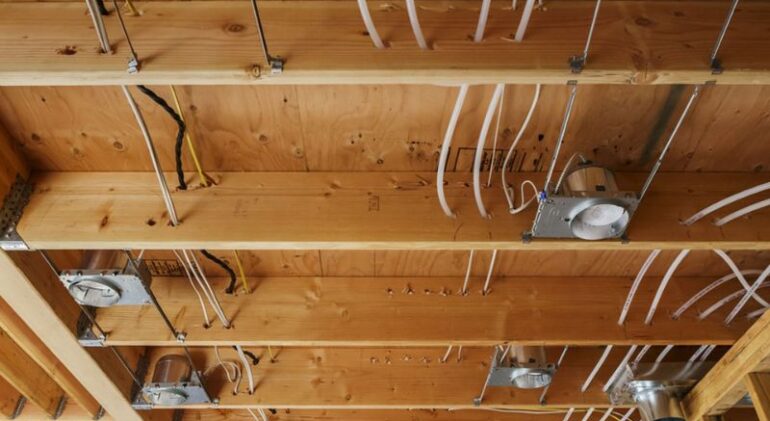
Electrical malfunctions cause more than 50,000 house fires every year in the United States, according to the Electrical Safety Foundation International, and most of them are preventable (UL Solutions, “8 Signs You May Have a Problem With Your Electrical Wiring,” retrieved September 2026). In Coral Gables and across Miami-Dade County, the risk runs a step higher than the national picture, because a large share of the area’s housing stock was built during the era when aluminum wiring and now-discontinued electrical panels were standard practice, and Florida’s heat and humidity accelerate wear on both. This guide covers the warning signs of faulty wiring, why older Miami-Dade homes carry extra risk, and what it means for your homeowners insurance if you’re coming up on a renewal or a sale. What Are the Warning Signs of Faulty Electrical Wiring? The most reliable warning signs of faulty wiring are ones you can notice without opening a single outlet: flickering or dimming lights, outlets or switch plates that feel warm, a burning smell with no obvious source, and circuit breakers that trip repeatedly. Any one of these on its own may have a simple explanation, but two or more together usually point to a wiring issue that needs a licensed electrician. If you notice sparking, a persistent burning smell, or a hot breaker panel, turn off power at the breaker and call a licensed electrician the same day. These aren’t signs to monitor and wait on. Why Are Older Coral Gables and Miami-Dade Homes at Higher Risk? Homes built in Florida during the late 1960s and early 1970s commonly used aluminum branch circuit wiring instead of copper, and aluminum expands and contracts more than copper at electrical connections, which gradually loosens the connection and increases resistance and heat over time. Coral Gables’ older housing stock, much of it built before modern code updates, is a common place to still find this wiring in service. Many homes from the same era were also built with Federal Pacific Stab-Lok or Zinsco electrical panels, both widely recognized by electricians and inspectors for failing to trip reliably under overload conditions, a defect that increases fire risk rather than preventing it. Neither is manufactured today, and replacement is the standard recommendation whenever one turns up during an inspection. Florida’s climate adds a second factor on top of the wiring’s age. Heat and humidity accelerate oxidation at aluminum connections and corrode the terminals inside older panels faster than in drier climates, which is part of why local electricians see wiring failures in homes that would still be considered mid-life elsewhere in the country. How Does Faulty Wiring Affect Your Florida Homeowners Insurance? Most Florida insurers require a 4-point inspection, covering the roof, electrical, plumbing, and HVAC systems, before writing or renewing a policy on a home roughly 20 to 30 years or older, and outdated wiring is one of the most common reasons a home fails it. Inspectors specifically flag aluminum branch wiring, Federal Pacific or Zinsco panels, missing GFCI protection in kitchens and bathrooms, and any exposed or improperly spliced wiring. 4-Point Red Flag Why It Matters Typical Fix Aluminum branch wiring Loosens at connections, raising fire risk Copper pigtailing or full rewire Federal Pacific / Zinsco panel Breakers may not trip under overload Full panel replacement Missing GFCI (kitchen/bath) No shock protection near water GFCI outlet installation Exposed or spliced wiring Code violation, fire and shock risk Electrician correction and re-inspection A failed 4-point inspection can mean a denied policy, a non-renewal notice, or a requirement to complete repairs before coverage binds, which is often the moment homeowners in older Coral Gables properties first learn their wiring needs attention. Addressing these issues before your renewal date, rather than after an inspection flags them, leaves you more time and more contractor availability to work with. What Should You Do If You Notice These Signs? If you notice any of the warning signs above, the safest first step is to stop using the affected outlet or circuit and shut off power to it at the breaker panel, then call a licensed electrician rather than attempting a repair yourself. Wiring work in Miami-Dade requires a permit and inspection, a process covered in our guide to Miami-Dade building permits, and unpermitted electrical work can itself become a problem during a future 4-point inspection or home sale. When hiring, confirm the electrician or contractor is licensed and insured for the scope of work. On Point Construction has served Coral Gables and Miami-Dade for over a decade as a licensed and insured general contractor, and we follow a documented process for vetting every subcontractor who works on your home. Frequently Asked Questions Is aluminum wiring always dangerous? Aluminum wiring itself isn’t inherently dangerous when properly maintained, but connections loosen over time as the metal expands and contracts, and most electricians recommend either a full rewire or copper pigtailing at every connection point to bring it up to current safety standards. Will faulty wiring definitely fail a Florida 4-point inspection? Not always, but inspectors specifically look for aluminum branch wiring, outdated panels like Federal Pacific or Zinsco, and missing GFCI protection, and finding any of these typically results in a flagged report that your insurer will require you to address. How much does it cost to fix faulty wiring in an older home? Cost depends on scope, from a single outlet repair to a full rewire. A licensed electrician can inspect your system and provide a written estimate, which is the only reliable way to know your specific cost. Can I just replace my breaker panel without addressing the wiring? A panel replacement addresses one part of the system, but if the branch wiring itself is aluminum or damaged, a new panel alone won’t resolve the underlying risk or satisfy a 4-point inspection that flags the wiring separately. Do I need a permit to have my home rewired in Coral Gables? Yes. Electrical work in Miami-Dade County requires a permit and inspection, and using a
Continue Reading
Hurricane-Resistant Roofing in Coral Gables: What to Know

Hurricane-Resistant Roofing in Coral Gables: What to Know

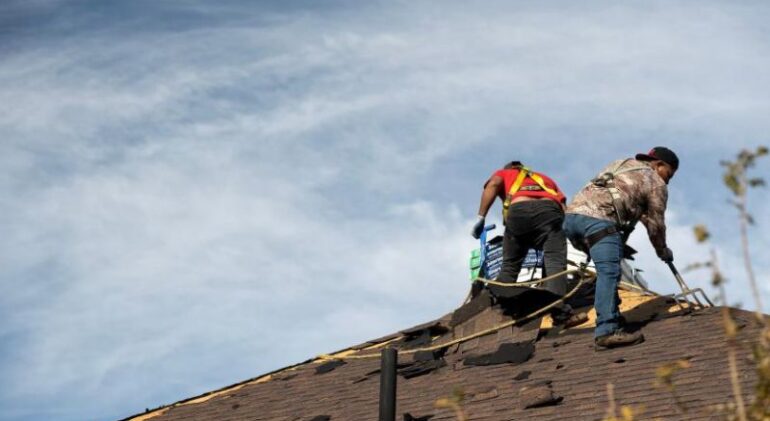
Miami-Dade County sits inside Florida’s High-Velocity Hurricane Zone (HVHZ), where design wind speeds reach up to 185 mph, the strictest roofing standard in the country. For Coral Gables homeowners, the roof isn’t just a design choice. It’s the first line of defense against hurricane-force winds, and the materials, fasteners, and underlayment you choose directly affect your safety, your insurance premium, and how your home performs when a storm hits. This guide covers what actually makes a roof hurricane-resistant in Coral Gables, which materials hold up best, and how local code requirements like the Miami-Dade Notice of Acceptance (NOA) and HVHZ standards factor into your decision. What Makes a Roof “Hurricane-Resistant” in Coral Gables? A hurricane-resistant roof in Coral Gables has to meet Miami-Dade County’s HVHZ standard, the most stringent building code zone in the United States, covering Miami-Dade and Broward counties. Under this standard, every roofing product installed, from underlayment to tiles to fasteners, must carry a Miami-Dade Notice of Acceptance (NOA) rather than the standard statewide Florida Building Code product approval. The NOA testing protocol includes large missile impact testing (a 9-pound piece of lumber fired at the roof surface at speed) and cyclic pressure testing that simulates sustained hurricane wind loads. We cover exactly how this approval system works in our guide to Miami-Dade NOA requirements, and how HVHZ construction rules apply beyond roofing in our overview of HVHZ construction standards. In practice, “hurricane-resistant” means three things working together: an NOA-approved material, a fastening system rated for your property’s wind exposure, and correct installation by a licensed contractor familiar with HVHZ inspection requirements. Which Roofing Materials Perform Best in Coral Gables’ Wind Zone? Concrete and clay tile, standing seam metal, and Class 4 impact-rated shingles all carry NOA approval for HVHZ use, but they perform differently under wind load and come with different cost and structural considerations. Material Wind Performance Typical Lifespan Notes for Coral Gables Homes Concrete or clay tile Excellent uplift resistance from mass, when properly fastened 40 to 50 years Common on Coral Gables’ Mediterranean Revival homes; the roof structure must be engineered to carry the added weight Standing seam metal Very high wind resistance; interlocking panels resist uplift 40 to 60 years Lightweight, reduces structural load, holds up well in salt air with the right coating Class 4 impact shingles Good wind resistance when correctly fastened; more affordable 20 to 30 years A practical option where the architectural style allows it Weight isn’t automatically an advantage. Tile resists uplift because of its mass, but that only helps if the structure underneath was built, or reinforced, to carry it. That’s worth confirming before choosing tile on an older re-roof. How Do Roof-to-Wall Connections Affect Hurricane Performance and Insurance? The connection between your roof and exterior walls, not just the roofing material itself, is one of the biggest factors in whether a roof survives a hurricane. Homes with only toe-nailed connections resist roughly 50 to 100 pounds of uplift per connection, while double-wrap hurricane straps resist 800 pounds or more. A wind mitigation inspection, a standardized assessment used to qualify for Florida’s hurricane insurance discounts, evaluates seven features of your home: roof covering type, roof deck attachment, roof-to-wall connection, roof shape, secondary water resistance, opening protection, and the code year your home was built to. The inspection costs $75 to $175, stays valid for five years, and the resulting discount frequently exceeds $500 to $2,000 per year, which makes it one of the higher-value inspections a Coral Gables homeowner can schedule. If your attic inspection shows toe-nailed connections only, upgrading to hurricane straps typically costs $1,500 to $3,500 and doesn’t require a full re-roof. What Is a Sealed Roof Deck, and Does Your Coral Gables Home Have One? A sealed roof deck uses a self-adhering underlayment across the entire roof surface, not just the edges, so that if tiles or shingles tear off in a storm, the deck underneath still keeps water out. Standard 30-pound felt paper, still common on older re-roofs, offers little protection once exposed to hurricane-force wind, since the same wind that removes the roof covering also shreds unsealed felt. Miami-Dade’s HVHZ code requires enhanced underlayment on new installations, but homes re-roofed under older permits, or repaired piecemeal over the years, may not have a fully sealed deck. Adding one during a re-roof typically adds $1,000 to $3,000 to the project cost, a modest premium against the water damage a partial roof failure can cause. How Do You Know If Your Roof Meets Coral Gables’ Current Hurricane Standards? A licensed inspection is the only reliable way to confirm compliance, but a few signs suggest it’s worth scheduling one sooner rather than later: cracked or slipping tiles, brittle or exposed underlayment at the edges, corrosion around metal flashing, or a roof installed before the county’s post-1992 code updates that followed Hurricane Andrew. Permitting matters here too. Any roof replacement or significant repair in Coral Gables requires a permit through Miami-Dade’s building department, a process we walk through in our guide to Miami-Dade building permits. Work completed without a permit won’t carry a valid NOA record tied to your property, which can complicate both insurance claims and future home sales. Frequently Asked Questions Does every roof in Coral Gables need a Miami-Dade NOA? Yes. Coral Gables falls within Miami-Dade County’s HVHZ, so every roofing product installed, including underlayment, fasteners, and the roof covering itself, must carry a valid Notice of Acceptance rather than standard statewide product approval. Is metal or tile roofing better for hurricane resistance? Both perform well when properly installed and NOA-approved. Metal panel systems are lighter and often rated for higher wind speeds, while tile relies on mass for uplift resistance but requires a structure engineered to carry the added weight. How much does a wind mitigation inspection save on insurance? Savings vary by insurer and property, but a wind mitigation inspection ($75 to $175) frequently qualifies homeowners for discounts of $500 to $2,000 or more per year, since it documents
Continue Reading

NOA Explained: What “Product Approved for Miami-Dade” Actually Means

An NOA, or Notice of Acceptance, is a product-specific approval document issued by Miami-Dade County’s Product Control Section confirming that a window, door, roofing system, or shutter has passed the testing required for the High-Velocity Hurricane Zone. When a contractor or supplier says a product is “approved for Miami-Dade,” this document is what they mean, and without a current one on file, that product cannot legally be installed on a project in the county. If you’ve seen “NOA” printed on a window label, a roofing spec sheet, or a permit set and weren’t sure what it actually confirms, this breaks down what the document covers, how to read it, and how to check whether one is still valid before it ends up on your project. Key Takeaways What Does NOA Stand For, and Who Issues It? NOA stands for Notice of Acceptance. It is issued by the Product Control Section of Miami-Dade County’s Department of Regulatory and Economic Resources, the division responsible for reviewing and approving building products for use in the High-Velocity Hurricane Zone. An NOA is not a general safety rating or a manufacturer’s marketing claim. It is a formal review process: the manufacturer submits test data, drawings, and an application, Product Control reviews it against the applicable testing standards, and if the product passes, it receives an NOA number tied to that exact product, model, and configuration. Change any of those details and the existing NOA no longer applies. How Is an NOA Different From a Florida Product Approval? An NOA and a Florida Product Approval are two separate certification systems, and one does not automatically substitute for the other. A Florida Product Approval, carrying an FL number, is a statewide system administered under the Florida Building Code and applies across the entire state, including areas outside the HVHZ. A Miami-Dade NOA is a local certification specific to Miami-Dade and Broward counties, issued only by Miami-Dade’s Product Control Section. Many products carry both, but a valid Florida Product Approval does not automatically qualify a product for use in Miami-Dade, and vice versa. Some building departments outside the HVHZ will accept a Miami-Dade NOA as sufficient local approval, but that depends on the jurisdiction. Inside Miami-Dade, the NOA is generally the document a permit reviewer will ask for first. What Products Actually Need a Miami-Dade NOA? Any product installed as part of a building’s exterior envelope in Miami-Dade generally needs a current NOA, since these are the components directly exposed to wind pressure and wind-borne debris. That includes roofing systems and individual roofing components, windows, exterior doors, garage doors, storm shutters and panels, skylights, and structural glazing. It is worth noting an NOA does not just cover the finished product as a single unit. A roofing system, for example, can require NOA coverage on the underlayment, the fasteners, and the covering material separately, since each layer is tested as part of the assembly. Swapping one approved component for an unapproved substitute, even if the rest of the system is unchanged, can invalidate the assembly’s approval. How Do You Verify a Product’s NOA Is Valid? Checking an NOA takes three steps: locate the NOA number on the product’s label or submittal documents, search that number through Miami-Dade County’s public product approval database, and confirm the issue date, expiration date, and exact product configuration match what is being installed. This last step is where mistakes happen most often. An NOA is tied to a specific size, design pressure, and installation method, not just a product name. A window that carries a valid NOA in one size or configuration is not automatically covered if it’s installed at a larger size or with different anchoring than what the approval specifies. Field modifications, substitutions, or oversized applications can void an otherwise valid NOA, which is why the exact product data sheet needs to be checked against the NOA record, not just the product name. Contractors familiar with HVHZ work typically cross-check three things before a product goes on an order: that the NOA is still active and not expired, that the listed design pressure meets or exceeds what the project’s engineering calculations require for that specific address and building height, and that the installation instructions filed with the NOA match what’s actually being installed on site. Skipping any one of these is how a homeowner ends up with a product that looks correct but technically doesn’t satisfy the approval on file. What Happens If a Product Doesn’t Have a Valid NOA? A product installed in Miami-Dade without a current, matching NOA does not meet code, regardless of how well-built or expensive it is. During permitting, plan reviewers check submitted products against NOA records before issuing approval, and during final inspection, inspectors can flag installed products that don’t match an approved NOA on file. Either point can stall a project, and in some cases requires removing and replacing non-compliant materials at the homeowner’s expense. This is one of the reasons working with a contractor experienced in HVHZ-compliant construction matters. Tracking NOA documentation across every product on a job, not just the headline material, is part of what keeps a Miami-Dade project moving through permitting and inspection without a rejection. Frequently Asked Questions What does it mean when a product is “NOA approved”? It means the specific product, in its tested configuration, has passed Miami-Dade County’s Product Control review and is legally permitted for installation within the High-Velocity Hurricane Zone. It does not mean the entire product line or category is automatically approved. Is an NOA the same as a Florida Product Approval? No. An NOA is issued by Miami-Dade County and applies specifically to Miami-Dade and Broward counties. A Florida Product Approval is a separate, statewide system. A product can carry one, both, or neither, and having one does not guarantee the other. How long does an NOA last before it expires? NOA validity periods vary by product and are set at the time of issuance, typically running a set number of years
Continue Reading
Untitled design 11

What Is HVHZ Construction? Why Miami-Dade Building Standards Are the Toughest in the Country

HVHZ construction is building work performed under Florida’s High-Velocity Hurricane Zone code, a section of the Florida Building Code that applies only to Miami-Dade and Broward counties and requires structures, roofs, windows, and doors to withstand wind speeds as high as 195 mph. No other region in the United States enforces a stricter set of wind-load and product-approval rules. If you own property in Coral Gables, Doral, or anywhere else in Miami-Dade, HVHZ rules affect almost every construction project you take on, from a full roof replacement down to a single window swap. Here is what the designation actually means, which counties it covers, and why it changes how a project gets built, permitted, and priced. Key Takeaways What Does HVHZ Actually Stand For? HVHZ stands for High-Velocity Hurricane Zone, a defined section of the Florida Building Code found in Part II, Chapter 2, Section 202. It is not a marketing term or an informal label contractors use loosely; it is a legal designation that triggers a separate, stricter set of construction requirements the moment a project falls inside its boundary. The zone traces back to Hurricane Andrew in 1992, which exposed how many South Florida homes failed under wind loads the older building code never anticipated. The lessons from that storm were carried into the unified 2001 Florida Building Code, which preserved the tougher legacy rules from the old South Florida Building Code rather than replacing them with a statewide standard. That is why HVHZ still functions almost like its own code within a code today. Which Counties Are Included in Florida’s HVHZ? Only two counties in Florida sit inside the HVHZ: Miami-Dade and Broward (Engineering Express, 2025). Every part of both counties falls under the zone, not just the coastline. That surprises a lot of homeowners, especially in Monroe County (the Florida Keys), which faces comparable hurricane exposure but is not classified as HVHZ. Instead, Monroe and other coastal areas fall under the standard Florida Building Code’s wind-borne debris region, which sets a lower 110 mph threshold rather than the county-specific, risk-category-based speeds used in Miami-Dade and Broward. In practice, this means a roofing product approved for use in Fort Myers or the Keys is not automatically legal to install on a house in Coral Gables. How Strong Do HVHZ Buildings Actually Have to Be? HVHZ structures must be engineered to resist ultimate design wind speeds between roughly 165 mph and 195 mph, depending on the building’s risk category. Under the current Florida Building Code, Miami-Dade’s Risk Category I structures (lower-occupancy buildings) sit near 165 mph, while Risk Category II buildings, which cover most single-family homes, climb toward 175 mph. Higher-risk structures like hospitals and emergency facilities are designed for even greater loads. Compare that to the 110 mph wind-borne debris threshold that governs most of the rest of hurricane-prone Florida, and the gap becomes obvious. A roof, window, or door that easily meets code in Orlando or Tampa can fail the minimum requirement in Miami-Dade by a wide margin. This is exactly why HVHZ-compliant roofing is treated as its own specialty rather than a checkbox on a standard installation. What Is a Miami-Dade NOA and Why Does It Matter? A Notice of Acceptance (NOA) is a product-specific approval issued by the Miami-Dade Building Code Compliance Office confirming that a roofing system, window, door, or shutter has passed HVHZ testing and is legal to install in the zone. Without a valid NOA on file for the exact product being installed, a permit reviewer can and will reject the application. Getting an NOA is not a paperwork formality. Products go through impact and pressure testing under standards like TAS 201, 202, and 203, which include firing a 9 lb piece of lumber at the material at 50 feet per second to simulate wind-borne debris, followed by roughly 9,000 cycles of pressure testing to mimic sustained hurricane winds. A product that passes in a non-HVHZ county still has to be separately tested and certified before it can legally go on a Miami-Dade roof or window opening. Our recent breakdown of Miami-Dade’s permit process covers how NOA documentation fits into the broader permitting timeline. How Does HVHZ Construction Affect Homeowners and Contractors? HVHZ rules touch nearly every stage of a construction project in Miami-Dade, from the products a contractor is legally allowed to order to how the permit gets approved and inspected. A licensed contractor working in the zone has to track NOA documentation for every material, not just the finished design, since a substitution mid-project can invalidate the approval on file. For homeowners, the practical effect shows up in three places. First, material costs run higher, since HVHZ-rated products cost more to manufacture and test than standard equivalents. Second, timelines can stretch, because plan review confirms NOA compliance before a permit is issued. Third, and most important, the finished structure is genuinely built to survive conditions that would damage a comparable home built to a lower standard elsewhere in the state. Working with a licensed general contractor Miami homeowners trust to manage this process correctly is what keeps a project on schedule and out of a permitting rejection loop. Frequently Asked Questions Is HVHZ construction the same as hurricane-proof construction? No single structure is fully hurricane-proof, but HVHZ construction is the closest legal standard to it in the United States. It requires products tested to withstand sustained high winds and large wind-borne debris impacts, dramatically reducing failure risk compared to standard construction. Do all homes in Miami-Dade have to meet HVHZ standards? Yes. HVHZ applies to the entire county, not just coastal or high-risk zones within it. Any new construction, roof replacement, or window and door installation in Miami-Dade has to use HVHZ-approved products regardless of the property’s distance from the water. How do I know if a product is HVHZ-approved? Check the product for a Miami-Dade Notice of Acceptance (NOA) number, which can be verified through the Miami-Dade County BCCO’s public product approval database. A licensed contractor should
Continue Reading
Miami-Dade Building Permits

Miami-Dade Building Permits Explained: What Homeowners Need to Know

Miami-Dade’s plan review process runs six to eight weeks on average, the slowest turnaround of any major South Florida county. For a Coral Gables homeowner planning a kitchen remodel or a new roof, that timeline can decide whether a project starts this quarter or next. Building permits exist to confirm your project meets Florida’s building code and the High-Velocity Hurricane Zone (HVHZ) standard, not to slow you down for its own sake. The friction comes from paperwork gaps, missed thresholds, and confusion about who files what. This guide walks through why Miami-Dade requires permits, how long the process really takes, when a Notice of Commencement applies, and the step-by-step path from application to closeout. Key Takeaways Timeline:  Miami-Dade plan review averages 6-8 weeks, the longest of any major South Florida county. NOC threshold:  Any project over $2,500 (or $7,500 for roof and A/C replacement) requires a recorded Notice of Commencement under Florida Statute 713.13. Corrections cost time:  Each correction cycle from the county adds roughly one to two weeks and often a resubmission fee. Who files what:  A licensed general contractor manages permitting, NOC filing, and inspections as one coordinated process. Why Does Miami-Dade Require a Building Permit for Home Projects? A Miami-Dade building permit confirms that a licensed contractor’s plans meet the Florida Building Code’s 8th Edition and the county’s HVHZ wind-load requirements before any work begins. This matters more in Miami-Dade than almost anywhere else in the country, since the county sits inside the state’s toughest hurricane-resistance zone. Permits are not optional paperwork. They trigger mandatory inspections at defined stages of construction, from framing to final electrical, so a structure is verified as it is built rather than after the fact. Skipping a permit on a project that requires one can result in stop-work orders, fines, and complications when the property is later sold, since unpermitted work typically has to be disclosed. Roofing, additions, structural changes, and most electrical, plumbing, and HVAC work all require permits. If you are planning a broader project, our general contractor Miami services page outlines which trades typically fall under one permit versus separate trade permits. How Long Does the Miami-Dade Permit Process Actually Take? Simple residential permits, such as a water heater swap or a single trade permit, can clear in five to ten business days. Projects requiring multi-department review, like additions or structural work, typically take six to twelve weeks from submission to issuance, and complex commercial-scale projects can run three to six months. Miami-Dade’s plan review process runs longer than Broward, Palm Beach, and the Tampa/Orlando metro area. The county’s Regulatory and Economic Resources department (RER) handles unincorporated areas, while each of the 34 incorporated municipalities, Coral Gables included, runs its own permitting office with its own queue. That is why two nearly identical projects a few miles apart can move at very different speeds. Correction cycles are the biggest hidden cost. Each round of corrections restarts the review clock for the departments involved and commonly adds a resubmission fee. Roofing projects carry their own approval layer through NOA (Notice of Acceptance) product documentation. What Is a Notice of Commencement, and When Do You Need One in Coral Gables? A Notice of Commencement (NOC) is a document recorded with the county before construction starts on any project with a direct contract price over $2,500, or $7,500 for roof and air conditioning system replacement. Recording the NOC is what protects a homeowner from paying twice if a subcontractor later files a lien. Florida Statute 713.13 sets separate NOC thresholds for general improvements and roof or A/C replacement work. Under Florida Statute 713.13, only the property owner may sign the NOC, though a contractor typically prepares and files it on the owner’s behalf. It must be recorded in the Miami-Dade County public records and a certified copy posted at the job site before the first inspection. Skipping this step does not stop a permit from being issued, but it removes the owner’s legal protection against duplicate payment claims. For remodeling projects that combine several trades, such as a kitchen or full home remodel, the NOC usually needs to reflect the full scope of work rather than each trade separately. Step-by-Step: The Miami-Dade Building Permit Process for Homeowners The process follows a consistent sequence regardless of project size, though the review depth changes with scope. Common Permit Mistakes That Delay Coral Gables Projects Most delays trace back to a handful of avoidable issues rather than county backlog alone. Let a Licensed Contractor Handle the Paperwork On Point Construction manages permitting, NOC filing, and inspection scheduling as part of every project in Coral Gables and across Miami-Dade, so homeowners are not tracking portal statuses on their own. Request a free estimate to schedule a site visit and permit consultation. Frequently Asked Questions Do I need a permit for a bathroom remodel in Coral Gables? Yes, in most cases. Any remodel involving plumbing relocation, electrical changes, or structural work requires a permit under the Florida Building Code, and projects over $2,500 also require a recorded Notice of Commencement. How much does a Miami-Dade building permit cost? Fees vary by project scope and municipality, typically calculated as a percentage of construction value plus flat review fees; each correction cycle can add roughly $150 per round based on regional contractor data. Can I file a Notice of Commencement myself? Yes. Florida Statute 713.13 requires the property owner to sign the NOC personally, though most homeowners have their general contractor prepare and record it as part of the permitting package. What happens if I skip a required permit in Miami-Dade? Unpermitted work can lead to stop-work orders, fines, and mandatory disclosure when the home is sold, and it can also complicate insurance claims tied to HVHZ compliance. Conclusion Miami-Dade’s permit process is slower than most of the state, but it exists to keep homes safe under hurricane-zone conditions. Understanding the NOC threshold, the review timeline, and the common rejection triggers puts a Coral Gables homeowner ahead of
Continue Reading
South Miami

10 Years, 1,000+ Projects: What We Have Learned Building in Miami-Dade’s Toughest Climate

Ten years and more than a thousand completed projects sounds like a marketing line until you have actually sat through a Miami hurricane season with a half-finished roof on the schedule. Building in Miami-Dade teaches lessons that do not show up in a general contracting textbook, because most of the country does not build under the same wind-load code, the same permitting layers, or the same weather risk. This is not a highlight reel. It is a look at what a decade of local projects has actually changed about how we scope, schedule, and build. What Changes When You Have Actually Built in Miami-Dade’s Climate Humidity, salt air, and seasonal storms are not abstract risk factors here. They are daily variables in material selection. A paint spec that performs well in a dry climate can fail early on a stucco wall exposed to Miami’s humidity. A roofing material rated for wind resistance on paper still needs the correct installation detail to hold up in an actual storm, not just a lab test. Ten years of watching which choices held up and which did not is not something a contractor can read in a manual. It shows up in the small decisions, like fastener spacing or underlayment choice, that never appear on a basic estimate. Lessons From Hurricane Seasons That Shaped How We Build Every hurricane season that passes through South Florida leaves behind a pattern of what failed and why. Roofs that failed at the ridge line because of a shortcut in the strapping. Windows that held but door frames that did not. These are not hypothetical scenarios for a contractor who has been through several storm seasons on active job sites. That pattern of what fails shapes how projects get built going forward, not as an afterthought, but as a baseline expectation on every roof, window, and structural job we take on. Why Local Code Knowledge Beats General Contracting Experience Elsewhere Miami-Dade’s building code sits inside Florida’s High-Velocity Hurricane Zone, which requires Notice of Acceptance product approvals most other parts of the country never deal with. A contractor with years of experience in another state is not automatically prepared for what an inspector in Coral Gables or Coconut Grove will require. Local experience means knowing which inspectors focus on which details, how long a specific municipality’s permitting department typically takes, and what documentation gets a project through the process without delays. What 1,000+ Completed Projects Actually Teach a Contractor Volume alone does not teach anything. What matters is the range: residential additions, commercial build-outs, roofing replacements, and full remodels, each surfacing a different version of the same underlying question. What happens when the plan meets an older home’s actual conditions, or a commercial tenant’s actual deadline? That range across our full range of construction services is where the real experience accumulates, not in repeating the same project type over and over. How This Experience Shows Up in Every New Project We Take On A homeowner or business owner does not see ten years of history on day one. What they see is a scope that accounts for problems before they happen, a schedule that has margin for Miami-Dade’s permitting timeline, and a team that has already solved the version of their problem before. Frequently Asked Questions How many projects has On Point Construction completed in Miami-Dade? On Point Construction has completed more than 1,000 residential and commercial projects across Coral Gables and the greater Miami-Dade area over more than a decade, spanning roofing, remodeling, electrical, plumbing, HVAC, and new construction. Does more experience always mean a better result for my project? Experience helps most when it is specific to your climate, code, and project type. A contractor with years of general experience elsewhere may still need to relearn Miami-Dade’s hurricane-zone requirements, which is why local project history matters more than years alone. What kinds of projects make up most of your completed work? Our completed work spans residential renovations, roofing replacements, commercial build-outs, and full remodels across Coral Gables, Coconut Grove, and the surrounding areas, with roofing and remodeling among the most common project types. The Bottom Line A decade of building in one of the most demanding climates and code environments in the country changes how a contractor scopes, prices, and schedules every project that follows. That is the experience behind every estimate we put together today. On Point Construction is the general contractor Miami-Dade homeowners and businesses return to project after project. Request a free on-site estimate to start yours.
Continue Reading

Recent Posts

Signs of Faulty Electrical Wiring in Florida Homes

Signs of Faulty Electrical Wiring in Florida Homes

Electrical malfunctions cause more than 50,000 house fires every year in the United

Hurricane-Resistant Roofing in Coral Gables: What to Know

Hurricane-Resistant Roofing in Coral Gables: What to Know

Miami-Dade County sits inside Florida’s High-Velocity Hurricane Zone (HVHZ), where design wind speeds

NOA Explained: What “Product Approved for Miami-Dade” Actually Means

An NOA, or Notice of Acceptance, is a product-specific approval document issued by

categories

subscribe newletter