
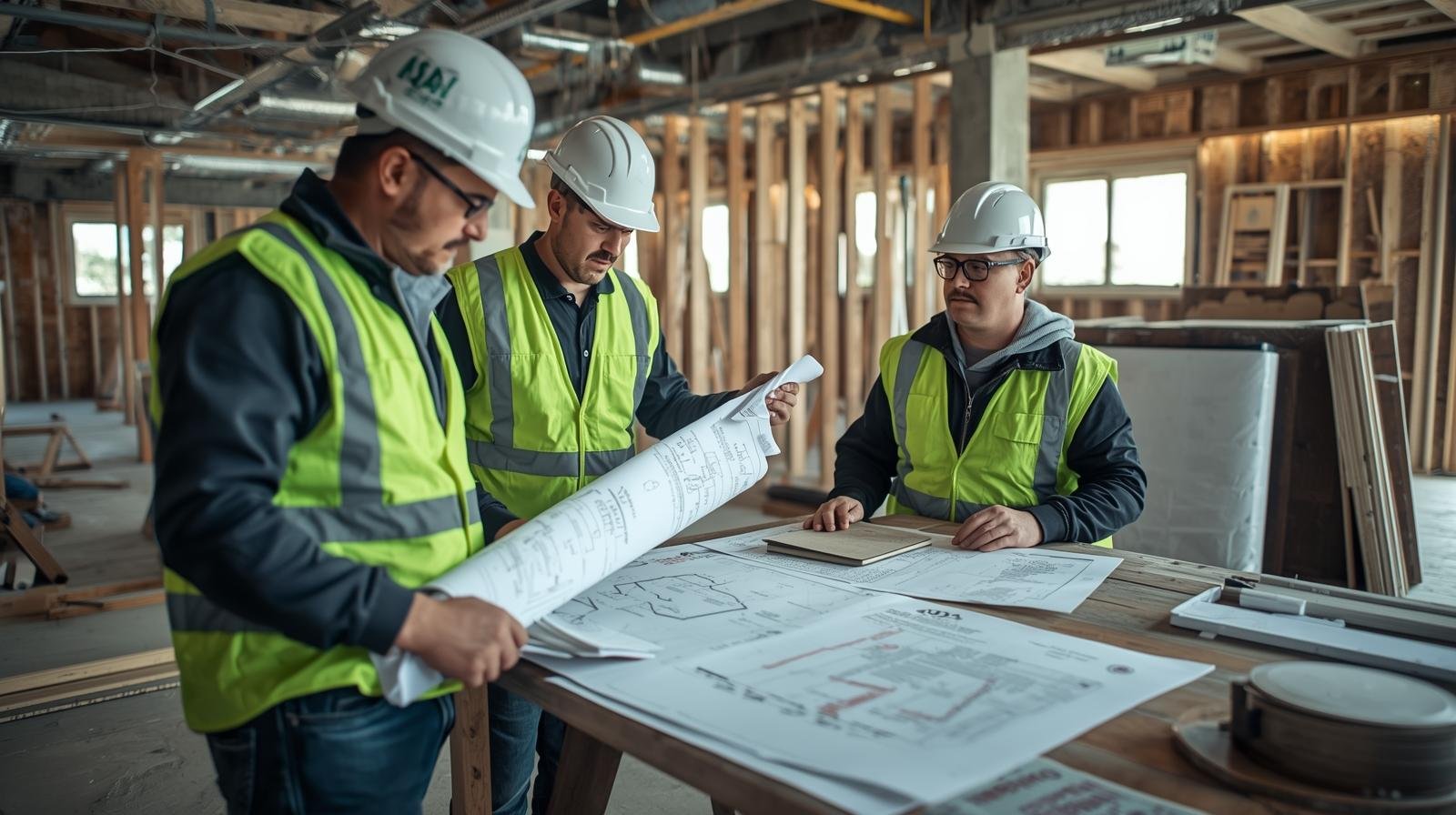
A lot of Coral Gables homeowners start this conversation the same way: “We need more space, so let’s build an addition.” Fair enough — but that’s only half the question. The other half is whether an addition actually pays you back, or whether a smart remodel gets you the same lifestyle upgrade for less money and less hassle.
The answer isn’t the same for every house. A 1940s Mediterranean Revival off Alhambra Circle has different constraints than a 1990s ranch near the Riviera area, and Coral Gables’ historic preservation rules and lot coverage limits change the math further. This guide breaks down what additions and remodels actually cost in 2026, what each one returns at resale, and how to figure out which path fits your property.
Quick answer: Nationally, minor kitchen and bathroom remodels return 70–95% of their cost at resale, while primary suite additions return closer to 16–27%. Square footage adds livability, not necessarily dollar-for-dollar value — location, lot restrictions, and how long you plan to stay all shift that equation.
What’s Actually the Difference Between an Addition and a Remodel?
A remodel works inside your home’s existing footprint. You’re updating a kitchen, converting a garage, or reconfiguring a floor plan without moving the exterior walls. An addition expands that footprint — a new bedroom wing, a second story, an in-law suite, or an extended family room that pushes past your current roofline.
The distinction matters because it changes almost everything downstream: permitting complexity, construction timeline, structural engineering needs, and how Coral Gables’ zoning and setback rules apply to your lot. Remodels are usually faster and cheaper. Additions solve a real space problem but come with a bigger price tag and a longer permit review.
If you’re not sure which category your project falls into, our residential construction team in Coral Gables can walk your property and tell you what’s actually feasible before you commit to either direction.
What Home Additions Cost in Coral Gables Right Now
South Florida additions aren’t cheap, and Coral Gables sits at the higher end of that range. Statewide, Florida home additions run $160 to $450 per square foot in 2026, but Miami-Dade coastal construction — including Coral Gables — typically lands between $280 and $500 per square foot because of High-Velocity Hurricane Zone requirements.
That premium isn’t padding. It pays for impact-rated windows, reinforced roof-to-wall connections, and engineered structural details that standard inland construction doesn’t need. Skip them and you’re not just risking a failed inspection — you’re risking the house itself in the next storm season.
Permitting adds time on top of that cost. Miami-Dade renovation and addition permits commonly run $2,500 to $15,000 depending on scope, and plan review alone can take several weeks before a shovel touches the ground. Coral Gables layers its own review on top of the county’s process for anything touching the historic district or exterior street-facing changes, so build extra weeks into your timeline if your property falls into that category.
A simple room addition typically takes three to five months from permit approval to completion; a second story can run six to ten months. None of that includes the design and permitting phase before construction even starts.
Does an Addition Actually Pay You Back?
This is where a lot of homeowners get surprised. According to Remodeling Magazine’s 2025 Cost vs. Value Report, a midrange primary suite addition recoups roughly 27% of its cost at resale, and an upscale version returns closer to 16%. Family rooms and sunrooms perform somewhat better, averaging 50–75% ROI, since they’re cheaper to build and add usable square footage without the plumbing and structural complexity of a bedroom-and-bath wing.
Put plainly: if you spend $200,000 on a primary suite addition, you might see $30,000 to $55,000 of that reflected in your resale price. The rest is money spent on your own comfort, not equity you’ll recover when you sell.
That’s not an argument against additions — it’s a reason to be honest about why you’re building one. If you’re adding space because your family genuinely needs it and you plan to stay put for years, the return on your quality of life matters more than the return on a future sale. If resale value is the primary driver, the numbers tell a different story.
What Remodeling Actually Returns at Resale
Remodels, especially the modest ones, consistently outperform additions on ROI. Minor kitchen remodels — refaced cabinets, new counters, updated appliances, without moving walls — return around 95% nationally per the same Cost vs. Value data. Minor bathroom updates land around 70–80%. Even a garage door replacement, a small project by comparison, returns over 100% in most markets.
Full gut renovations don’t perform nearly as well. A major upscale kitchen remodel often returns closer to 40%, and high-end bathroom overhauls can dip below 50%. The pattern holds across nearly every project category: moderate, functional upgrades beat luxury overhauls when resale value is the goal.
For Coral Gables specifically, this matters because so much of the housing stock is older — 1920s through 1960s construction with kitchens and baths that haven’t been touched since the last remodel wave. A well-planned update through our home remodeling services often closes the gap between “outdated” and “market-ready” faster and cheaper than an addition ever could.
When an Addition Actually Makes Sense
Additions earn their cost when the problem is genuinely one of space, not finish quality. A family that’s outgrown three bedrooms, a household adding a live-in parent, or a home office that’s become a full-time need — these are cases where no amount of remodeling solves the underlying issue. You can’t renovate your way into a fourth bedroom that doesn’t exist.
Lot size and zoning matter here too. Coral Gables enforces lot coverage and setback limits that vary by neighborhood, and historic district properties face additional design review for anything visible from the street. Before you fall in love with a floor plan, confirm your lot can legally support it. This is exactly the kind of check our team runs during an initial site visit, and it’s far cheaper to find out early than after architectural drawings are done.
If your evaluation points toward building out, working with a contractor who’s handled Miami-Dade’s HVHZ permitting process from the start saves real time. Our residential construction page covers what that process looks like for Coral Gables properties specifically.
When Remodeling Is the Smarter Move
If your square footage already works and the issue is that your kitchen looks like it belongs in a different decade, a remodel is almost always the better financial move. It’s faster, it disrupts your household less, and — as the ROI data shows — it tends to return more of what you spend.
Remodels also let you tackle deferred maintenance that additions don’t touch. Older Coral Gables homes often need electrical panel upgrades, updated plumbing, or a full exterior repaint alongside cosmetic work, and bundling those into one project is more cost-effective than handling them separately down the line. Our electrical, plumbing, and painting teams in Coral Gables regularly work alongside remodeling crews for exactly this reason — it’s one mobilization instead of three.
Don’t overlook HVAC while you’re at it. A remodel is the cheapest point to right-size or replace an aging system, since walls and ceilings are already open. If your unit is more than 10–12 years old, it’s worth a conversation with our HVAC team before the remodel gets sealed back up.
Coral Gables-Specific Factors That Change the Math
A few things push Coral Gables projects off the national averages you’ll find in generic cost guides:
- Historic district review. Properties within the historic district need Board of Architects or staff-level approval for exterior changes, which adds review time to additions more than interior remodels.
- HVHZ construction requirements. Every addition needs impact-rated windows and engineered wind-load connections, which is a real cost driver — not an optional upgrade.
- Lot coverage limits. Many Coral Gables lots are already close to their maximum buildable footprint, which can rule out a ground-floor addition and push homeowners toward a second story or a full remodel instead.
- Local resale expectations. Coral Gables buyers pay a premium for character-driven architecture. An addition that clashes with a home’s original style can hurt resale even if the square footage adds value on paper.
None of these factors are deal-breakers. They’re just reasons a Coral Gables-specific site evaluation beats a generic online cost calculator every time.
How to Decide: A Simple Framework
Ask yourself three questions before committing to either path:
- Is the problem space, or is it finish quality? If you need another bedroom or bathroom, no remodel solves that. If your rooms just look tired, a remodel almost always wins on cost and ROI.
- How long are you staying? If you’re selling within a few years, prioritize the projects with the strongest resale return — minor kitchen and bath updates, curb appeal, and mechanical systems in good working order. If you’re staying long-term, weigh livability alongside resale.
- What does your lot actually allow? Get a professional read on your zoning and setback limits before you fall in love with a design that Coral Gables won’t approve.
Most homeowners land somewhere in between — a moderate remodel now, with an addition planned for later once the family situation or budget calls for it. That’s a reasonable strategy, and it’s one we help clients map out during the initial consultation.
Frequently Asked Questions
Is a home addition worth it in Coral Gables?
It depends on your goal. Additions typically return 16–27% of their cost at resale for suite additions, versus 70–95% for minor kitchen and bath remodels. Additions are worth it when you need genuine extra space and plan to stay long enough to use it.
How much does a home addition cost per square foot in Coral Gables?
Expect $280 to $500 per square foot for most Coral Gables additions, driven by High-Velocity Hurricane Zone construction requirements and, in some cases, historic district review.
Do I need a permit for a home addition in Miami-Dade?
Yes. Any project that expands your home’s footprint requires a building permit, along with separate trade permits for electrical, plumbing, or mechanical work involved. Permit review commonly takes several weeks.
Should I remodel or add on if I’m planning to sell soon?
If a sale is within the next few years, prioritize remodeling — specifically kitchen and bathroom updates, which consistently return more of their cost than additions in resale data.
Get a Property-Specific Answer, Not a Guess
Cost guides and ROI averages are a good starting point, but they can’t tell you what your specific lot, home style, and budget actually support. The only way to know whether an addition or a remodel makes sense for your Coral Gables property is a walkthrough with a contractor who works in this market every day.
On Point Construction has handled additions and remodels across Coral Gables for over a decade, from historic district approvals to full HVHZ-compliant builds. Reach out for a free consultation, and we’ll give you a straight answer on which path fits your home and your budget.